News & insights

Peblar launches the Dual: a dual-socket charger for grid-constrained sites
Peblar has launched the Dual, a dual-socket AC charger that shares one grid connection between two Type 2 sockets, with a built-in card terminal and OCPP. Here is what it is, who it is for, and how it connects to Plugchoice.
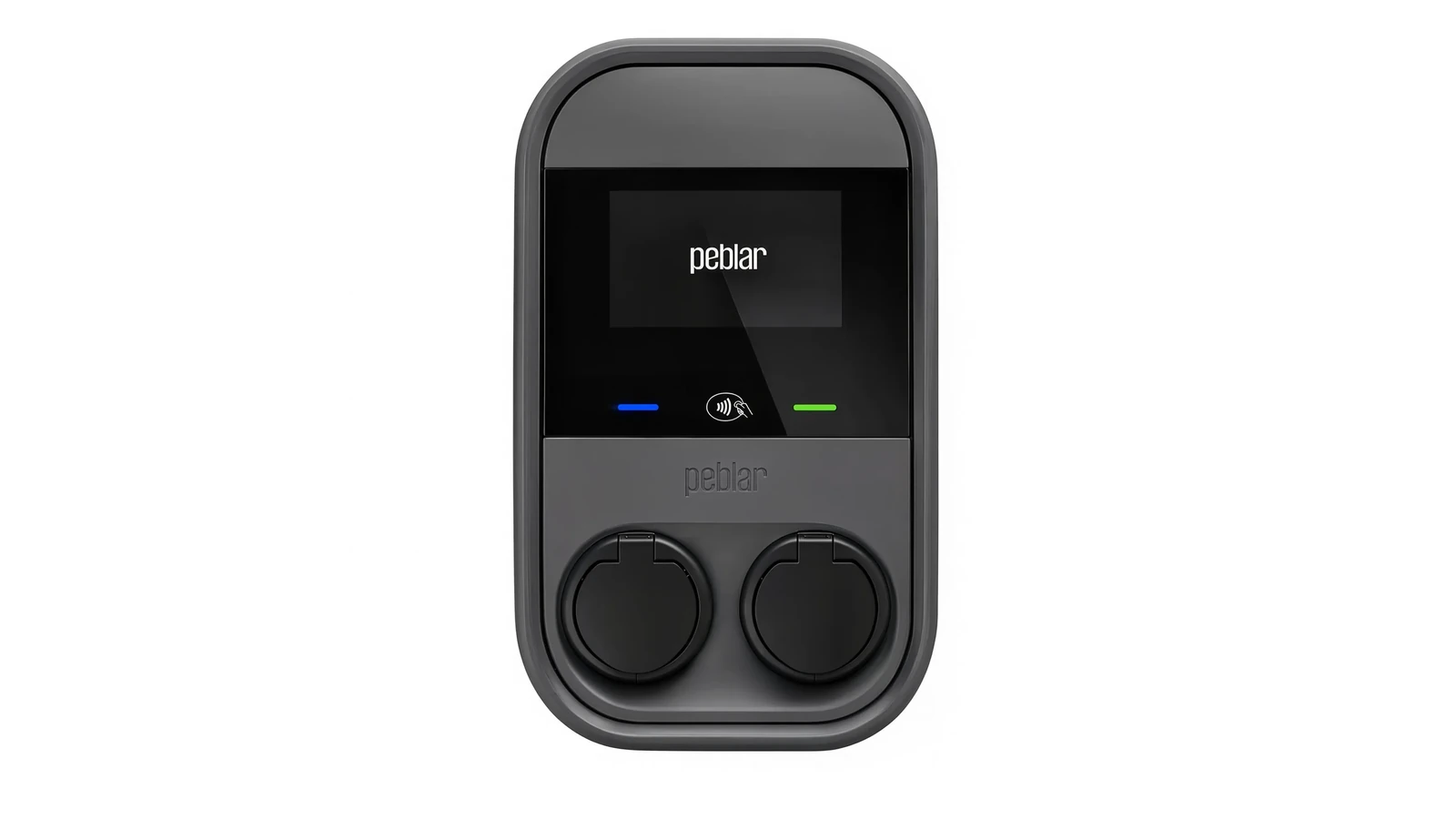
Peblar Dual: what we know about the dual-socket charger, and how to manage it
Peblar is revealing the Dual, a dual-socket AC charger for semi-public and commercial sites, on 23 June 2026 at Power2Drive in Munich. Here is what is actually confirmed, what is still unknown, and how the Dual connects to Plugchoice as its backoffice for load balancing and smart charging.
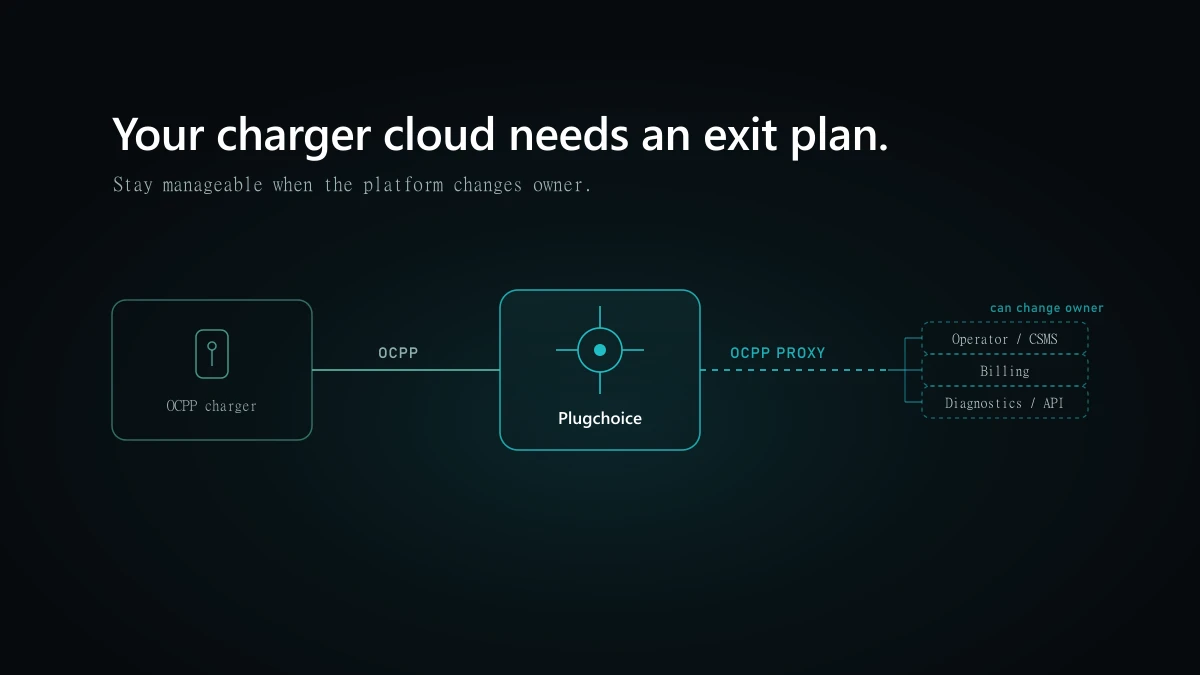
Landis+Gyr left EV charging. Your charger cloud should have an exit plan.
Landis+Gyr left EV charging in EMEA, the Etrel business changed hands and Ocean was carved out as a separate company. The chargers on the wall are usually fine. The cloud around them is the part that moves. Here is why installers, CPOs and resellers should build around migration-proof OCPP architecture, and how the free Plugchoice OCPP Proxy keeps the charger manageable when a platform changes.
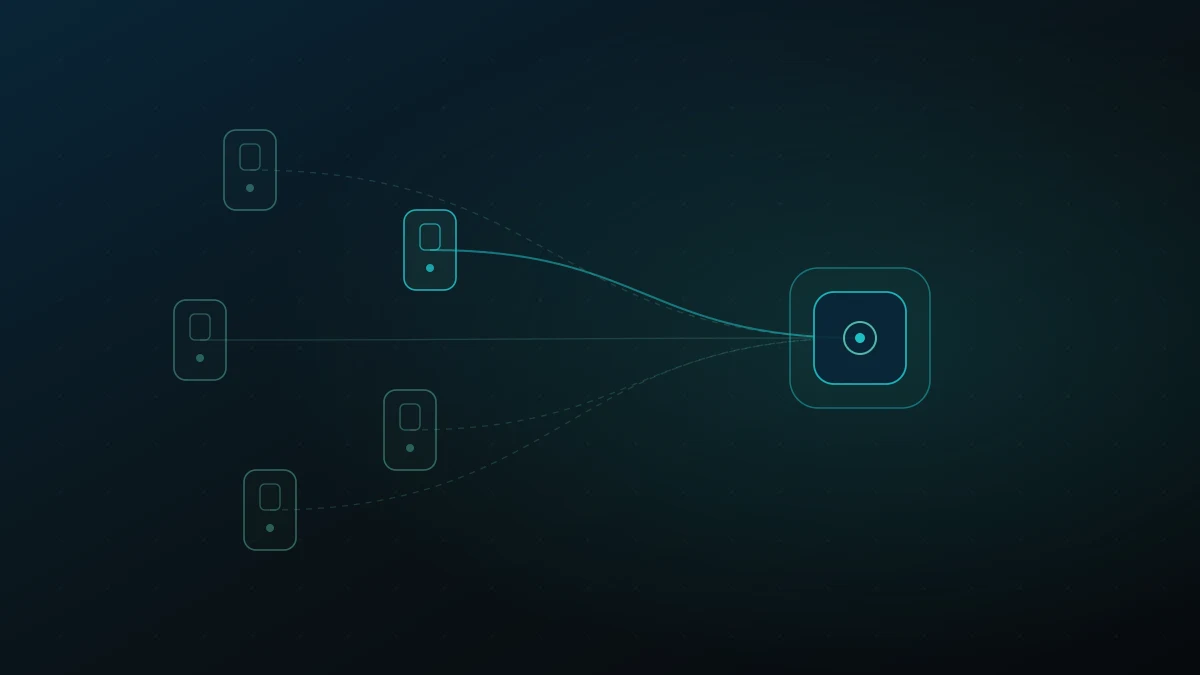
Enovates went down. Your chargers don't have to.
Enovates has become a continuity risk after Connect Group pulled the plug. The chargers on the wall are often fine. The platform around them is the weak point. Here is what installers, CPOs and operators should check now, and how OCPP keeps Enovates chargers manageable through Plugchoice.
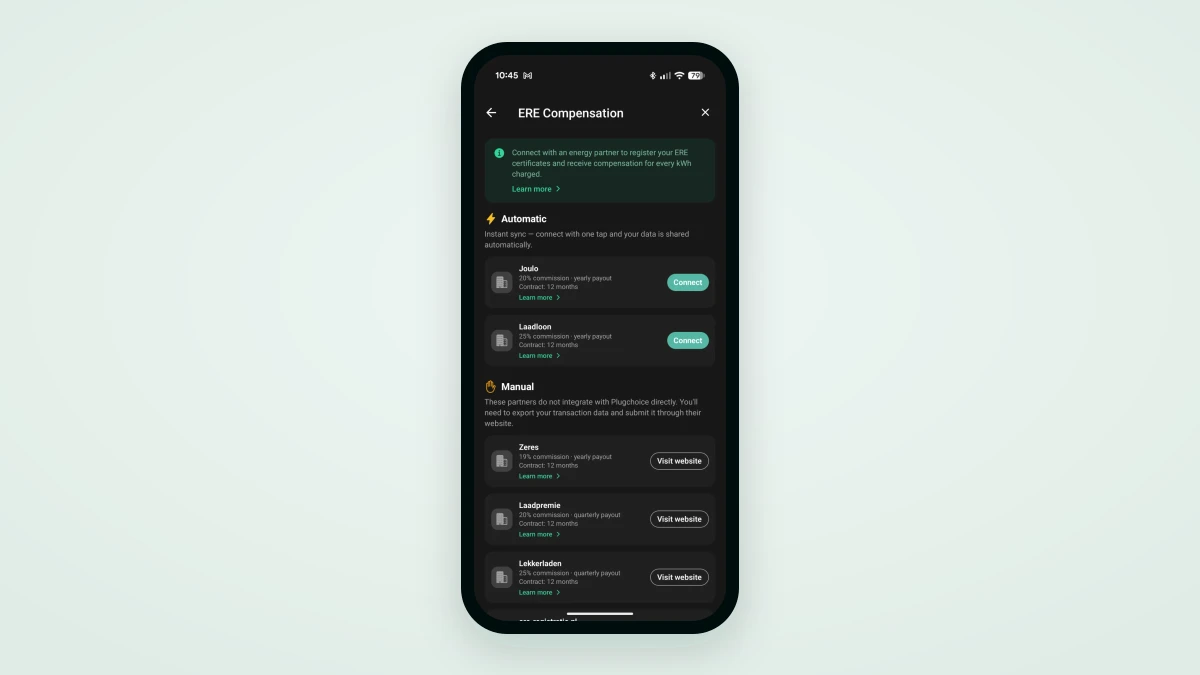
Lekkerladen is now available as an ERE integration in Plugchoice
Lekkerladen is now available as an ERE integration in Plugchoice. Charger owners can connect from the Plugchoice app or web portal, while Lekkerladen uses Plugchoice as its data and exposure platform for ERE registrations.
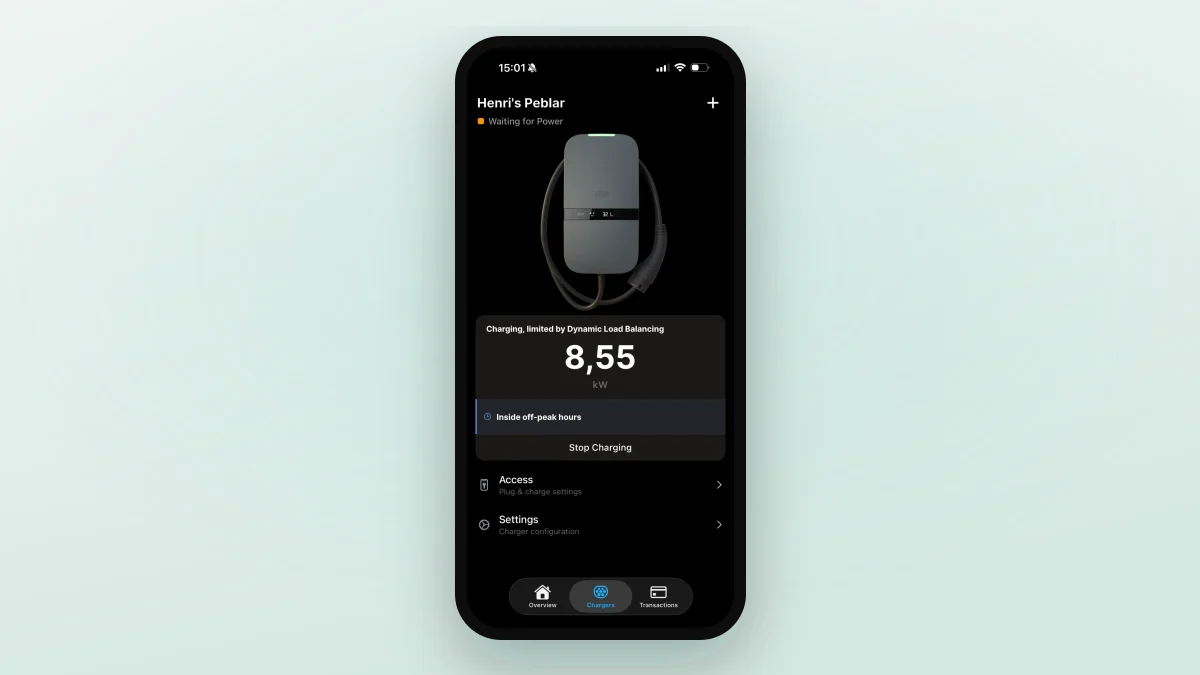
Peblar adds Plugchoice as an operator in its web interface
Peblar installers can now select Plugchoice as an operator directly in the Peblar web interface. The option is available from today in firmware 1.9.0 + C1.15, across all Peblar chargers, and is fully tested and supported, including smart charging.
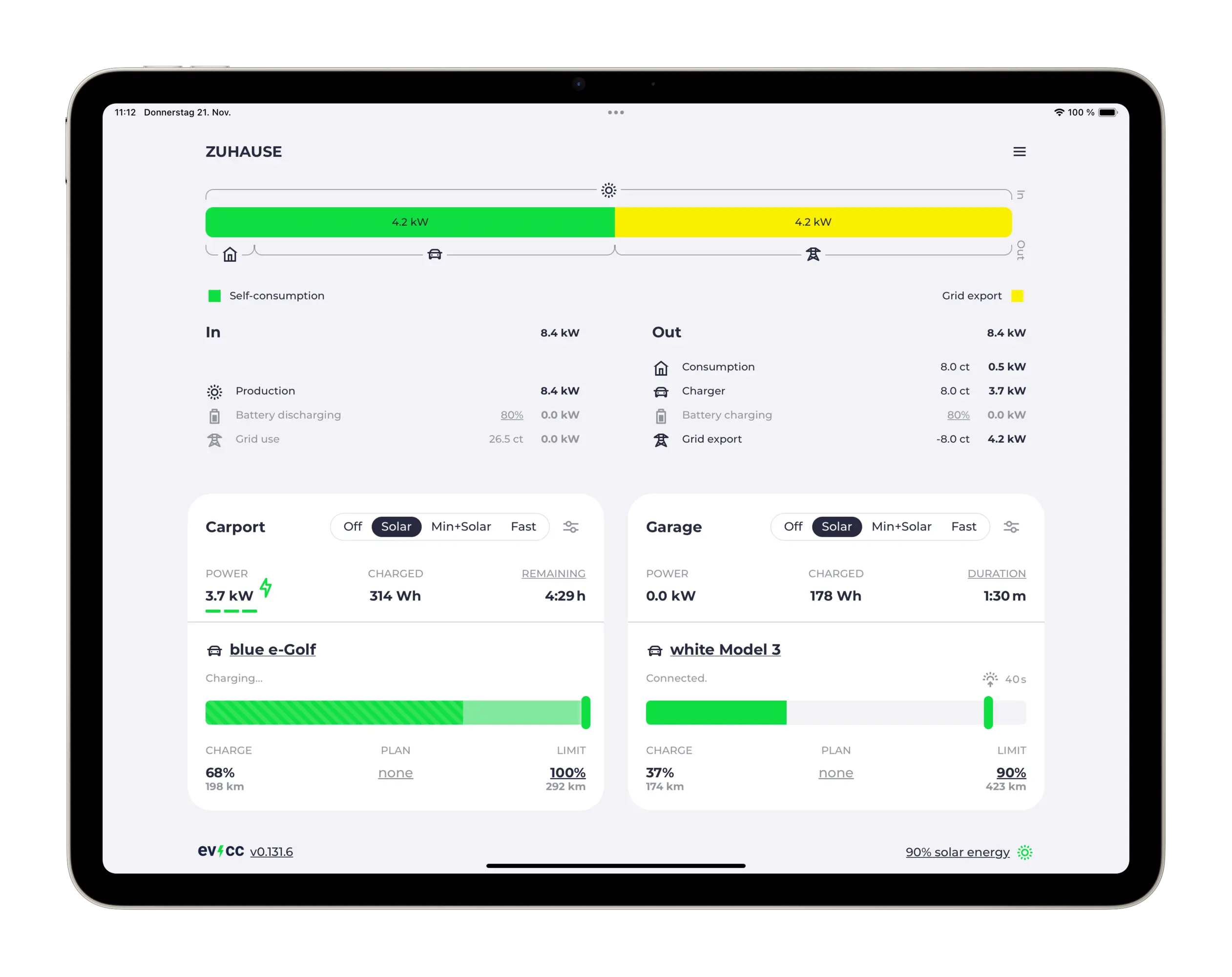
The evcc app now supports Plugchoice for OCPP charger connections
The evcc app now supports Plugchoice as a way to connect OCPP chargers. evcc users keep their solar and smart charging, while the charger stays connected to and managed through Plugchoice.
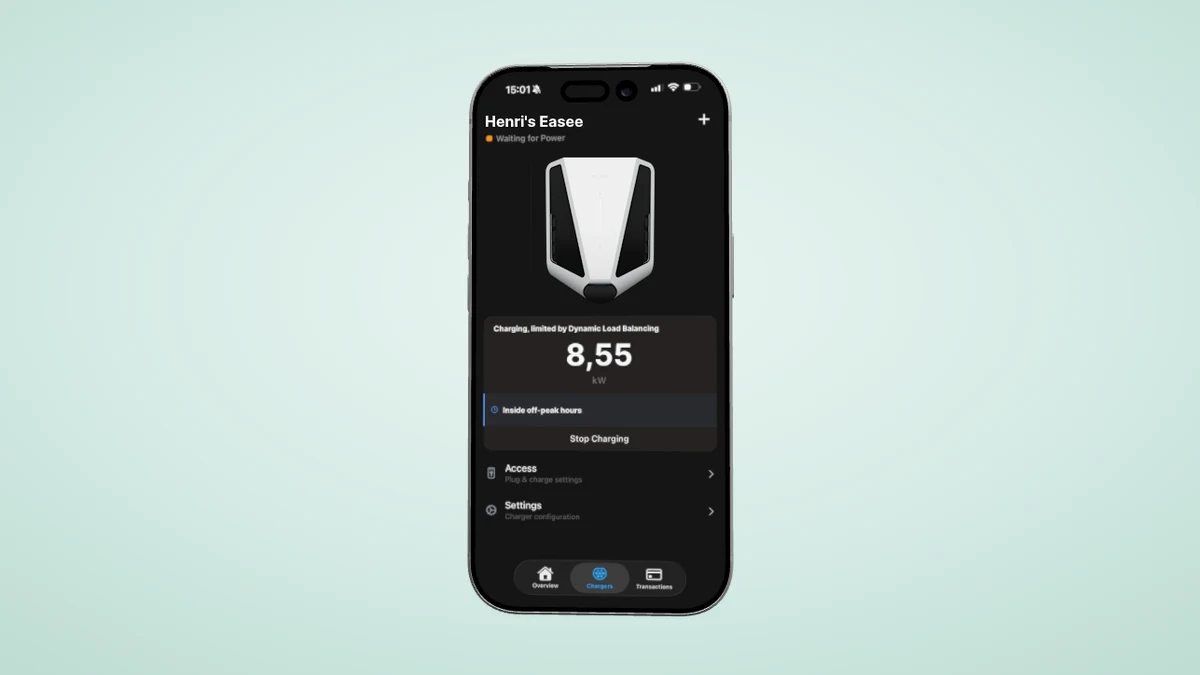
Easee chargers can now connect to Plugchoice in a few taps
Easee now supports selecting Plugchoice as operator. Installers, CPOs and resellers can bring Easee chargers online in the Plugchoice platform without a technical detour, straight from the Easee app.
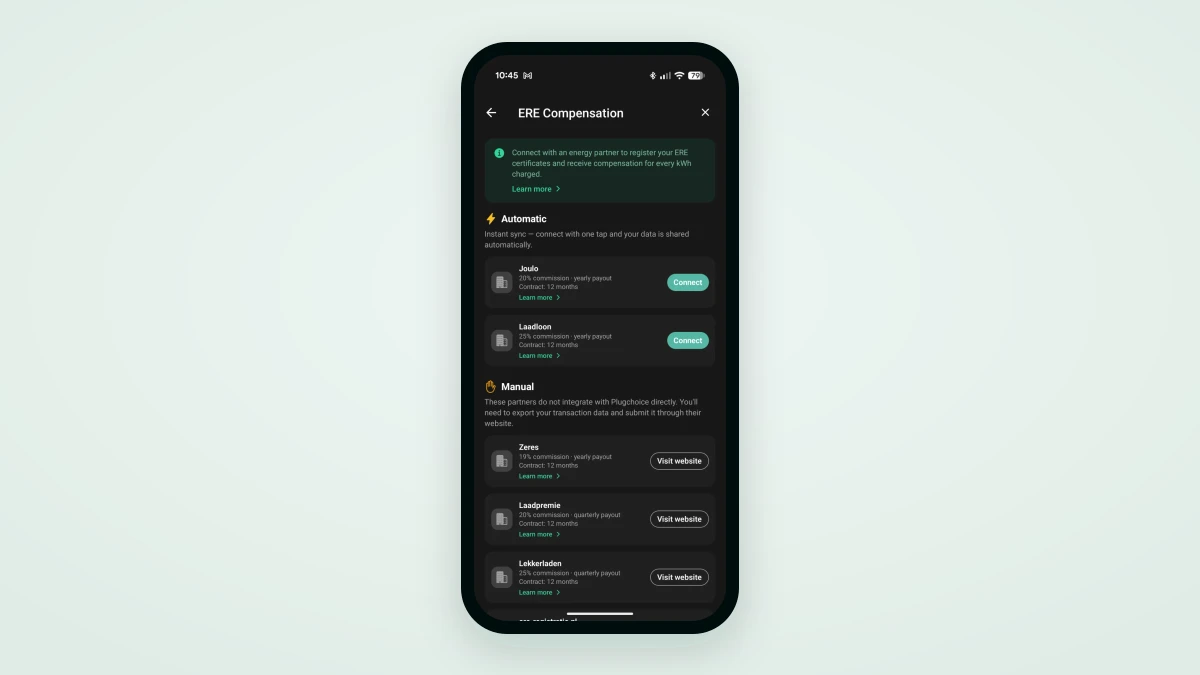
Laadloon is now available as an ERE integration in Plugchoice
Laadloon is now available as an ERE integration in Plugchoice. Charger owners can connect from the Plugchoice app or web portal, while Laadloon uses Plugchoice as its data and exposure platform for ERE registrations.
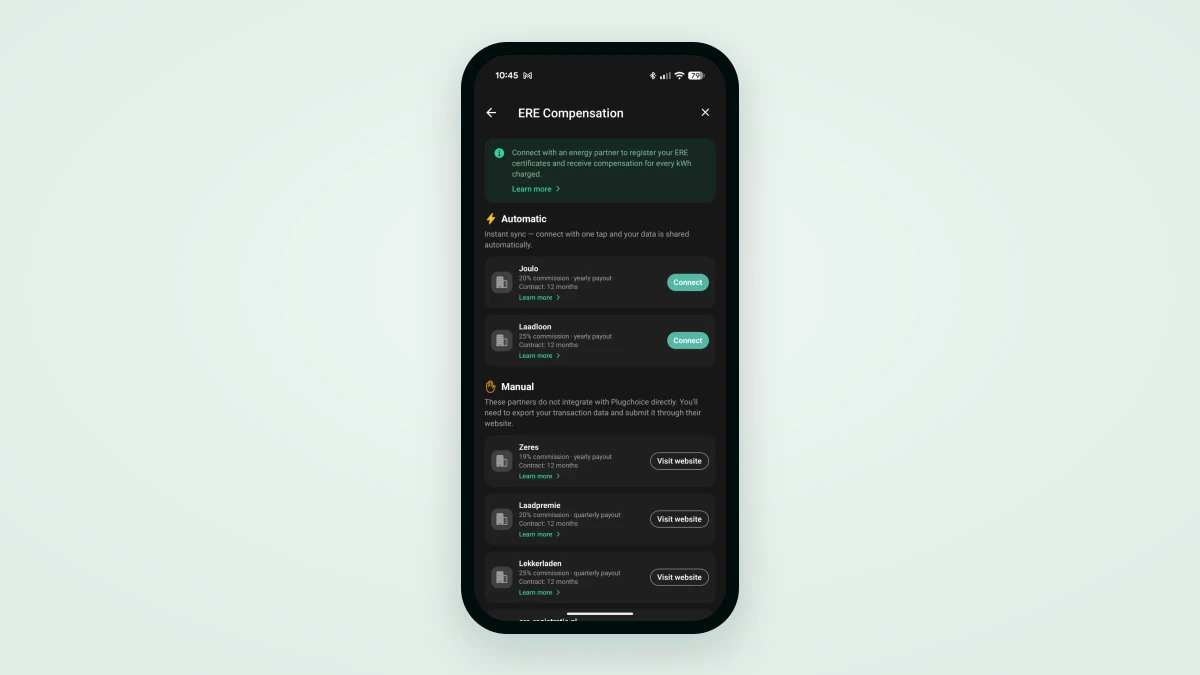
Joulo is now available as an ERE integration in Plugchoice
Joulo is now available as an ERE integration in Plugchoice. Charger owners can connect from the Plugchoice app or web portal, while Joulo uses Plugchoice as its data and exposure platform for ERE registrations.
Choosing EV Chargers for Software Compatibility: What Installers Should Check Before Buying
Not every OCPP charger behaves the same in practice. Here is what installers should actually verify before purchasing EV chargers, from remote configuration depth to meter access, firmware support, phase switching and load-balancing hooks.
MID meters for EV charging: when do you need one, and when don't you?
A practical Europe-only guide to when a MID meter matters for reimbursement, billing, Dutch ERE and why not every charger kWh reading is strong enough for settlement.
Why smart charging through the car API breaks, and why OCPP wins
Smart charging through the car sounds clever until OEM limits, rate limits and platform changes get in the way. Here's why controlling the charger through OCPP is usually the cleaner, more reliable setup.
ISO 15118-1, -2, -3 and -20 explained: what each part does, and why Plug & Charge, V2G-ready and real V2G are not the same thing
ISO 15118 gets mentioned everywhere in EV charging. Here's what each part actually does, and why Plug & Charge, V2G-ready and real V2G are not the same thing.
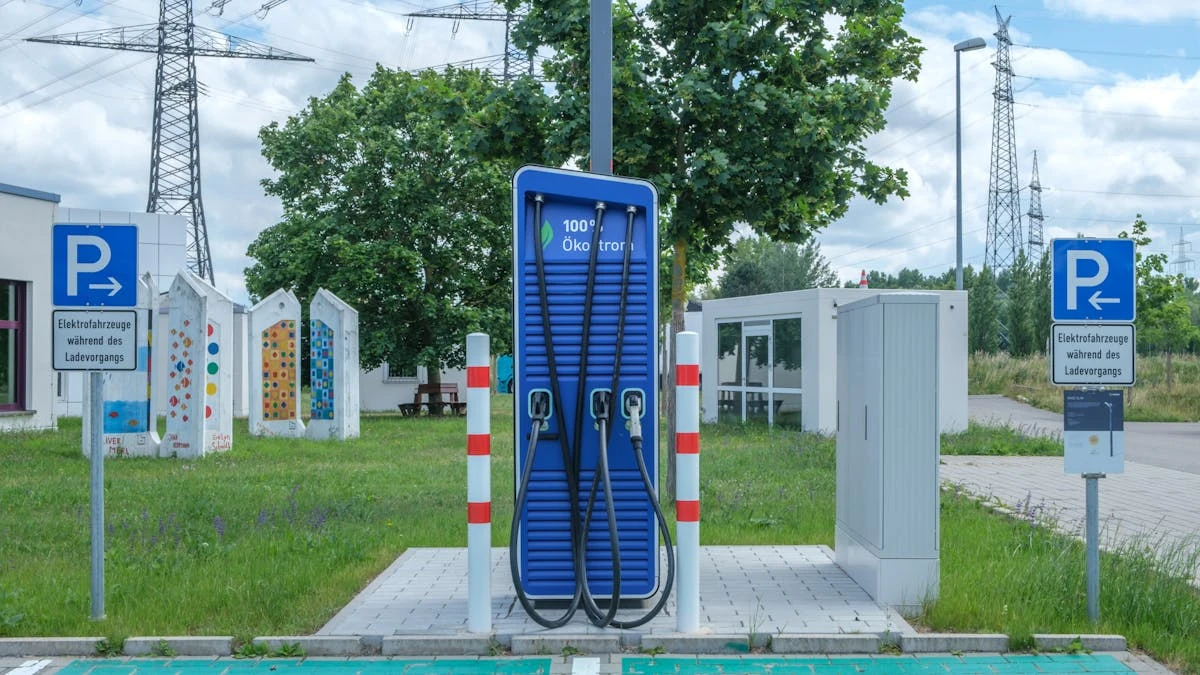
What is OCPI, and how is it different from OCPP?
OCPI and OCPP get mixed up all the time. This article explains the difference in plain English, shows where each protocol fits, and clarifies when OCPI actually matters.
REST API, MQTT, or dashboard: how should you control EV chargers?
People often compare REST API, MQTT, dashboards and OCPP as if they all do the same job. They do not. Here is how to think about them as layers and pick the right one.

Nobody Wants to Go Back On-Site: Why Remote EV Charger Visibility, Configuration and Control Matter
Remote visibility, configuration and control are what keep an EV charger operationally useful after installation. Here is why installers, owners and support teams care so much about not having to drive back to site.
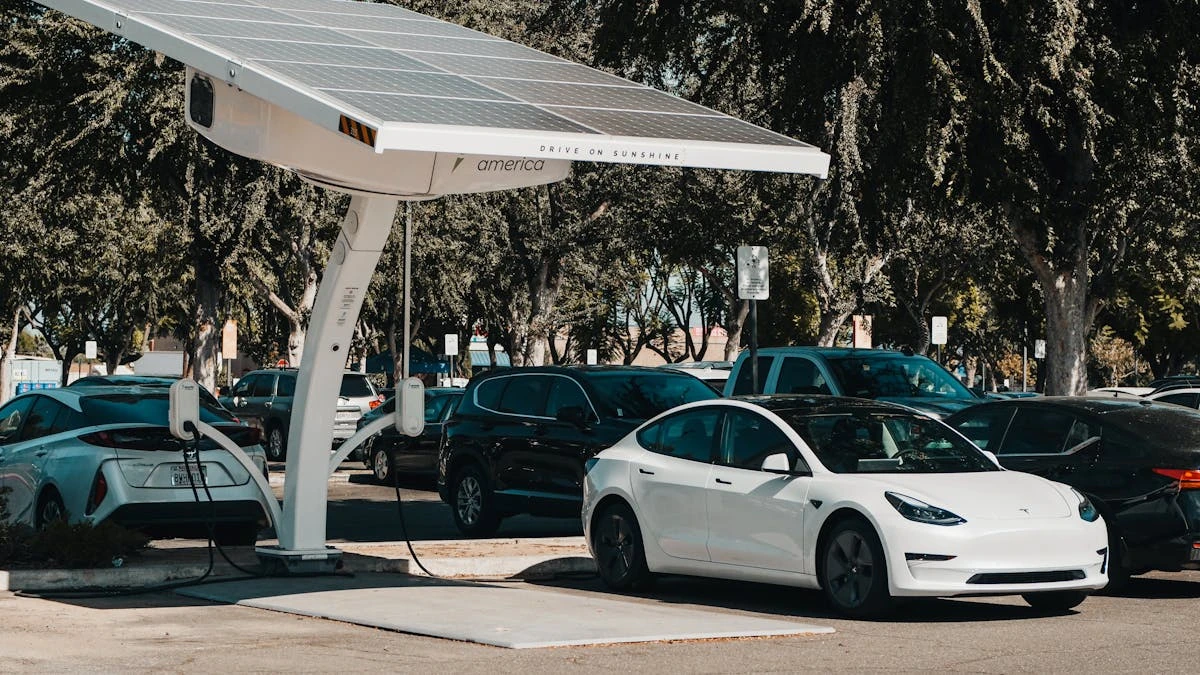
How OCPP Came to Dominate EV Charging
OCPP became the open standard behind modern EV charging because it keeps chargers, software, billing, and future upgrades flexible. Here's where it came from, why it spread, and what the U.S. rule angle really means.

EV charging billing explained: roaming, charge cards, CPOs and backoffices
A plain-English guide to how EV charging billing works in Europe, from charge cards and roaming to CPOs, backoffices, OCPP, OCPI and Plugchoice.

How OCPP Smart Charging Profiles Work and Why Plugchoice Uses TxProfile
A practical explanation of OCPP smart charging profiles, why TxProfile is transaction-scoped, and how Plugchoice uses it for dynamic charging control.
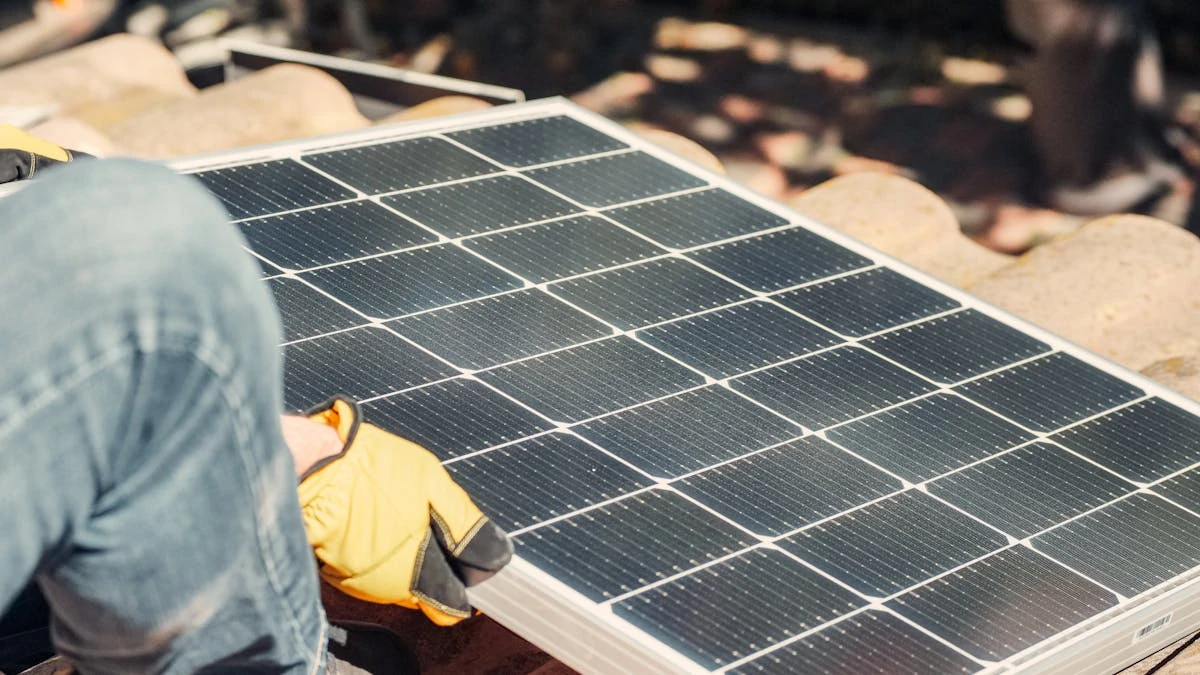
ERE certificates explained: what they are, how the calculation works, and why you cannot register them yourself
A plain-language explanation of ERE certificates for EV charging: what an ERE is, how the official calculation works, why private users cannot register it themselves, and where Plugchoice fits in.
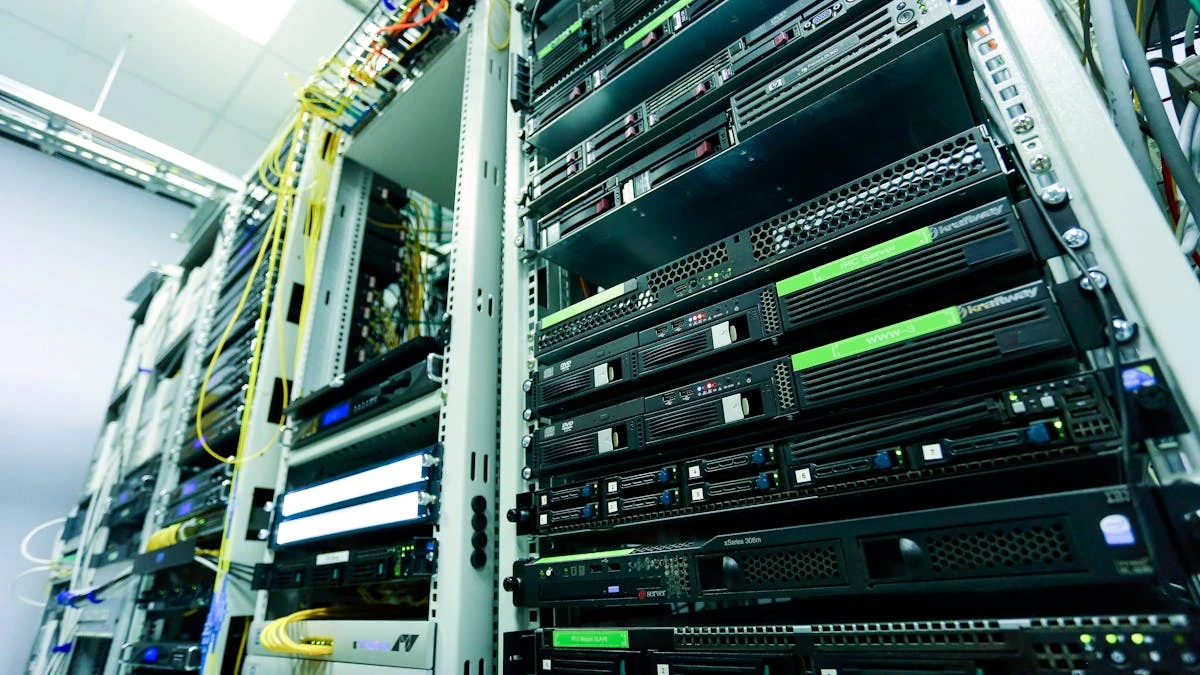
What is OCPP?
OCPP stands for Open Charge Point Protocol. It's the language of EV chargers. There is a good chance your EV charger is OCPP compliant, which means you can connect it to many different systems for payment, energy management and more.
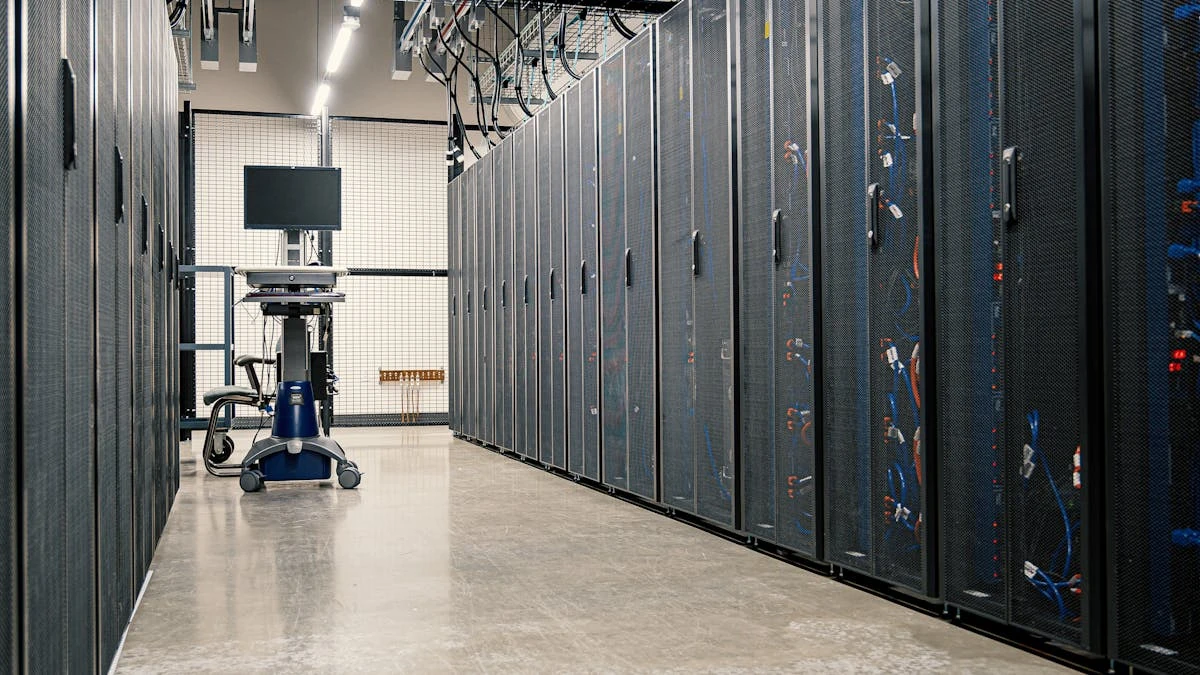
What is an OCPP Backoffice?
An OCPP Backoffice, also referred to as OCPP Backend, Platform, or CSMS, is a database in which you can see your chargers and check how they're doing.